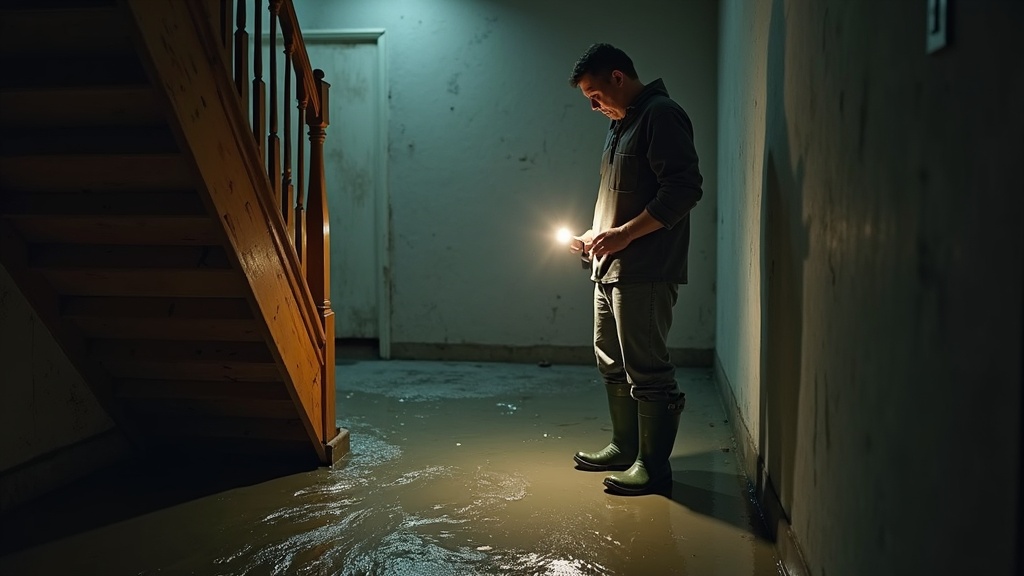
Once the emergency phase is over — power is confirmed safe, contents are documented, and the flooding has stopped — the real work begins. Basement flooding cleanup on Long Island is a multi-phase process, and skipping any step creates problems (usually mold) that are more expensive to address later.
Phase 1: Water Extraction
Submersible pumps remove standing water — typically the fastest phase. For most Long Island basements, water extraction takes 2 to 6 hours. Category of water matters here: Category 1 (clean water from burst pipes or appliance overflow) is straightforward to work with. Category 2 (gray water from sump pump backup or washing machine overflow) requires additional sanitizing. Category 3 (black water from sewage backup or storm flooding) requires full protective protocols and disposal as contaminated waste.
After extraction, water-damaged contents — furniture, cardboard boxes, carpeting — need to be removed. Porous materials that have been wet for more than 24 hours in Long Island summer conditions are typically not salvageable and need disposal.
Phase 2: Structural Drying
This is where Long Island homeowners often underestimate the work. Visible water is gone after extraction, but concrete block walls, framing lumber, drywall, and subfloor materials retain moisture at levels that will support mold growth for weeks. Structural drying with industrial equipment — high-capacity dehumidifiers and air movers — brings moisture content down to acceptable levels.
Moisture readings are taken with a moisture meter at the start and checked daily. A properly dried Long Island basement (high water table, summer humidity) typically requires 3 to 5 days of continuous equipment operation. Running residential dehumidifiers from a hardware store takes 10 to 14 days for the same result, if it works at all.
Drywall in a finished basement almost always needs to be cut and removed, even if it looks dry on the surface. Water wicks up drywall from the bottom, and the paper facing traps moisture against the wall cavity. Industry standard (IICRC S500) for water-damaged drywall in a finished basement: cut to 2 feet above the visible waterline. This looks dramatic but prevents mold from growing in the hidden wall cavity.
Phase 3: Mold Prevention and Remediation
If drying begins within 24 to 48 hours of the flooding event, mold prevention (antimicrobial treatment to affected surfaces) is usually sufficient. Long Island's summer humidity — typically 70 to 85% RH during peak summer months — accelerates mold growth faster than in drier climates. Water that sat for more than 48 hours before professional drying began typically requires mold remediation rather than just prevention.
Mold remediation involves HEPA vacuuming, antimicrobial treatment, containment during the process, and air testing to verify clearance. An IICRC-certified remediation contractor handles this — it is not a DIY project if the affected area exceeds 10 square feet (EPA guidance) or involves Category 3 water.
Phase 4: Restoration
Once the structure is confirmed dry and mold-free, restoration begins: new drywall, insulation, flooring, and trim. Long Island finished basement restoration typically runs $3,000 to $15,000 depending on the quality of original finishes and scope of damage. Most insurance adjusters scope restoration at builder-grade equivalents — matching existing finishes requires a supplemental request.
The cleanup phase is also the right time to address the underlying cause. Most Long Island basement flooding results from one of three sources: failed sump pump, storm-driven groundwater hydrostatic pressure, or interior plumbing failure. Restoration without addressing the root cause means going through the same process again.
What flooding cleanup costs on Long Island
For cleanup after flooding caused by sudden accidental events (burst pipe, appliance failure), most standard homeowners insurance policies cover extraction, drying, mold remediation, and restoration. Document everything before cleanup begins — adjusters need photos and moisture readings to process the claim correctly. For more on coverage, see our basement water damage guide.
Basement Flooding Cleanup FAQs
Got Questions?
Frequently Asked Questions
Water extraction itself takes 2 to 6 hours depending on volume. Structural drying — bringing moisture levels in concrete, framing, and drywall down to safe levels — takes 3 to 5 days with professional equipment running continuously. Final restoration work (replacing drywall, flooring, and finishes) adds 1 to 3 weeks depending on scope. Total timeline from flooding event to a fully restored finished basement on Long Island typically runs 3 to 6 weeks.